Yamuna : A Lifeline
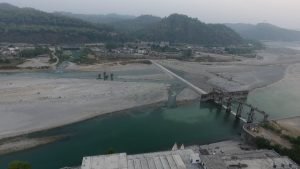
Yamuna is one of the holiest and sacred river of Northern India which originates from Yamunotri glacier in Uttarakhand and passes through multiple northern states of India including Himachal Pradesh, Haryana, The capital city -Delhi, finally Uttar Pradesh where it merges into Ganga river at Prayagraj. It is also one of the major tributaries of Ganga River.
Yamuna: A Lifeline Under Threat
Thought Yamuna holds deep religious, historical and environmental importance but unfortunately, it has become heavily polluted due to various factors, including industrial effluents, untreated sewage, Urbanisation, population growth, rapid industrialisation and agricultural runoff.
To address this issue, the Government of India has started several Yamuna cleaning projects in various states including Himachal Pradesh.
Government Initiatives for a Cleaner Yamuna
The Yamuna cleaning project in Himachal Pradesh is part of the larger Namami Gange initiative.
Namami Gange Programme:
The Namami Gange Programme (NMCG) is a project to rejuvenate the Ganga River and its tributaries including Yamuna. Under this program, Himachal Pradesh has received financial support for one specific project aimed at reducing pollution in the river, particularly in the Paonta Sahib region. This project, fully funded by the central government in Himachal Pradesh whereas in other states including Delhi, Haryana and UP, both central and state governments support this program financially.
- Species restoration
Working with the Wildlife Institute of India (WII) to rescue and rehabilitate aquatic species like dolphins, otters, and turtles.
- Yamuna Task Force
Establishing a task force in Uttar Pradesh to help with tree planting, public awareness, and patrolling sensitive river areas.
- Rescue and rehabilitation centres
Establishing six rescue and rehabilitation centres in collaboration with the state forest department.
- Sewage treatment: Building and rehabilitating sewage treatment plants (STPs) and laying sewerage networks.
- Biodiversity conservation: Rescuing and rehabilitating aquatic species, and mapping the diversity of plants and animals along the river.
Local Support: Hari Yamuna Sehyog Samiti
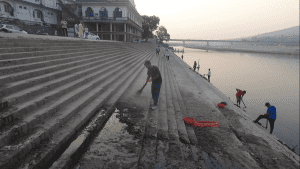
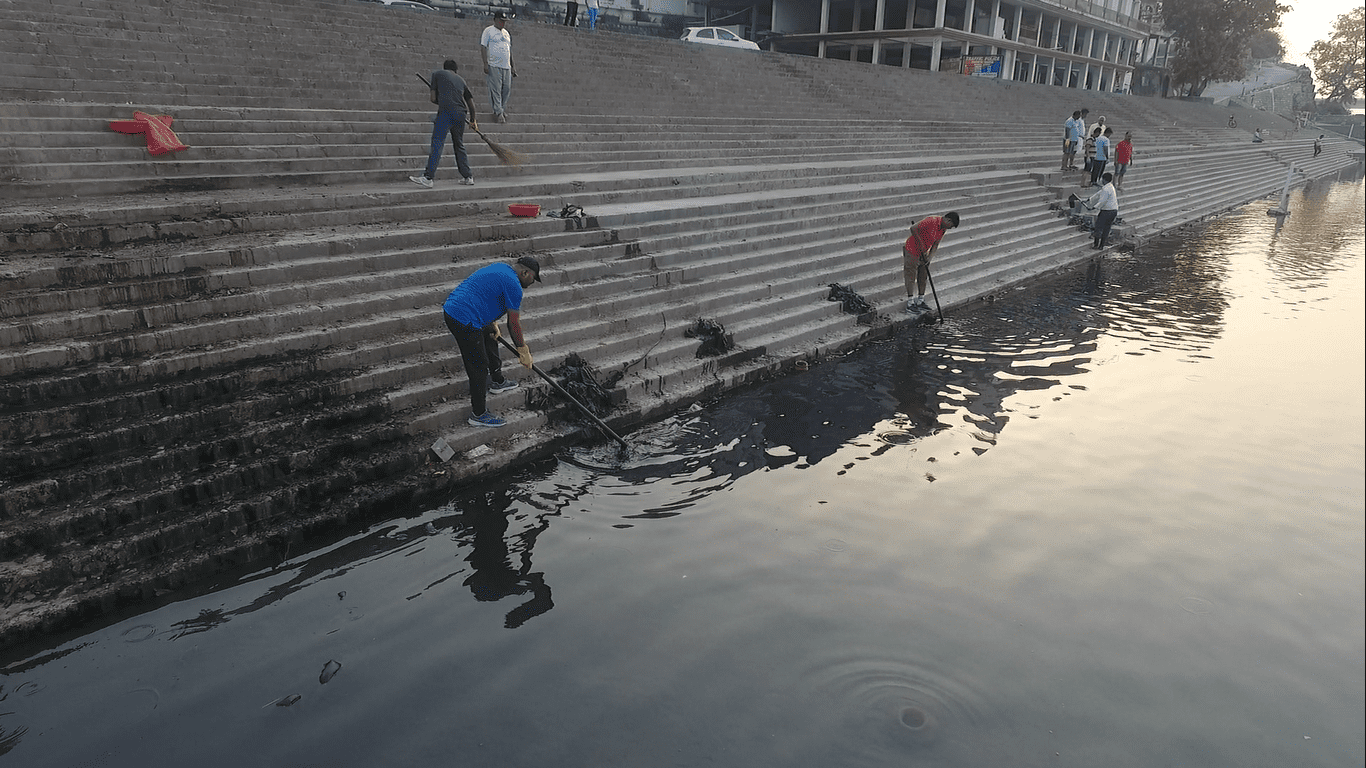
- In Paonta Sahib, local groups such as the Hari Yamuna Sehyog Samiti have been active in efforts to support this government-led initiative. The Samiti is involved in running Yamuna cleaning projects in Himachal Pradesh such as “ Project Hari Yamuna” . They organize various events and festivals to promote the “Clean Yamuna, Green Yamuna” message, emphasizing community involvement through river clean-ups and cultural events.
Project Hari Yamuna –
To achieve its goal of pollution free Yamuna, Project Hari Yamuna organises a variety of activities, such as waste management, tree planting, and awareness campaigns. It also includes-
- Riverfront development: Improving ghats and crematoria.
- Afforestation: Planting more trees to prevent soil erosion.
- Public awareness: Raising awareness and participation through campaigns.
- Cultural and religious events: Religious events such as Bhagwad katha and Kalash Yatra are organised to raise awareness towards holy Yamuna River.
Yamuna Action Plan:
This is another significant initiative aimed at cleaning up the Yamuna River. In Himachal Pradesh, projects under this plan have focused on:
- Constructing and upgrading STPs in towns and villages along the river.
- Implementing solid waste management systems to prevent litter from entering the river.
- Promoting sustainable agricultural practices to reduce pollution from agricultural runoff.
The cleaning of the river is an ongoing process and several challenges are faced by all these organisations to reach their goal of a cleaner Yamuna.
Challenges Faced in Yamuna Cleaning
While significant progress has been made in cleaning up the Yamuna River in Himachal Pradesh, several challenges remain. These include:
- Rapid urbanization: The increasing population and urbanization in the region are putting additional pressure on the river’s water resources and increasing pollution levels.
- Lack of public awareness: Many people are still unaware of the importance of water conservation and pollution prevention.
- Limited resources: The financial and technical resources required for large-scale river cleaning projects are often limited.
To address these challenges, it is crucial to:
- Strengthen public awareness campaigns: Educate people about the importance of water conservation and pollution prevention.
- Promote sustainable development: Encourage sustainable practices in agriculture, industry, and urban planning.
- Increase investment in water infrastructure: Invest in the construction and maintenance of sewage treatment plants and other water infrastructure.
- Strengthen inter-state cooperation: Work with other states in the Yamuna basin to coordinate efforts and ensure effective implementation of cleaning projects.
By addressing these challenges and continuing to implement effective cleaning projects, we can hope to restore the Yamuna river to its former glory and ensure a sustainable future for the people who depend on it.